

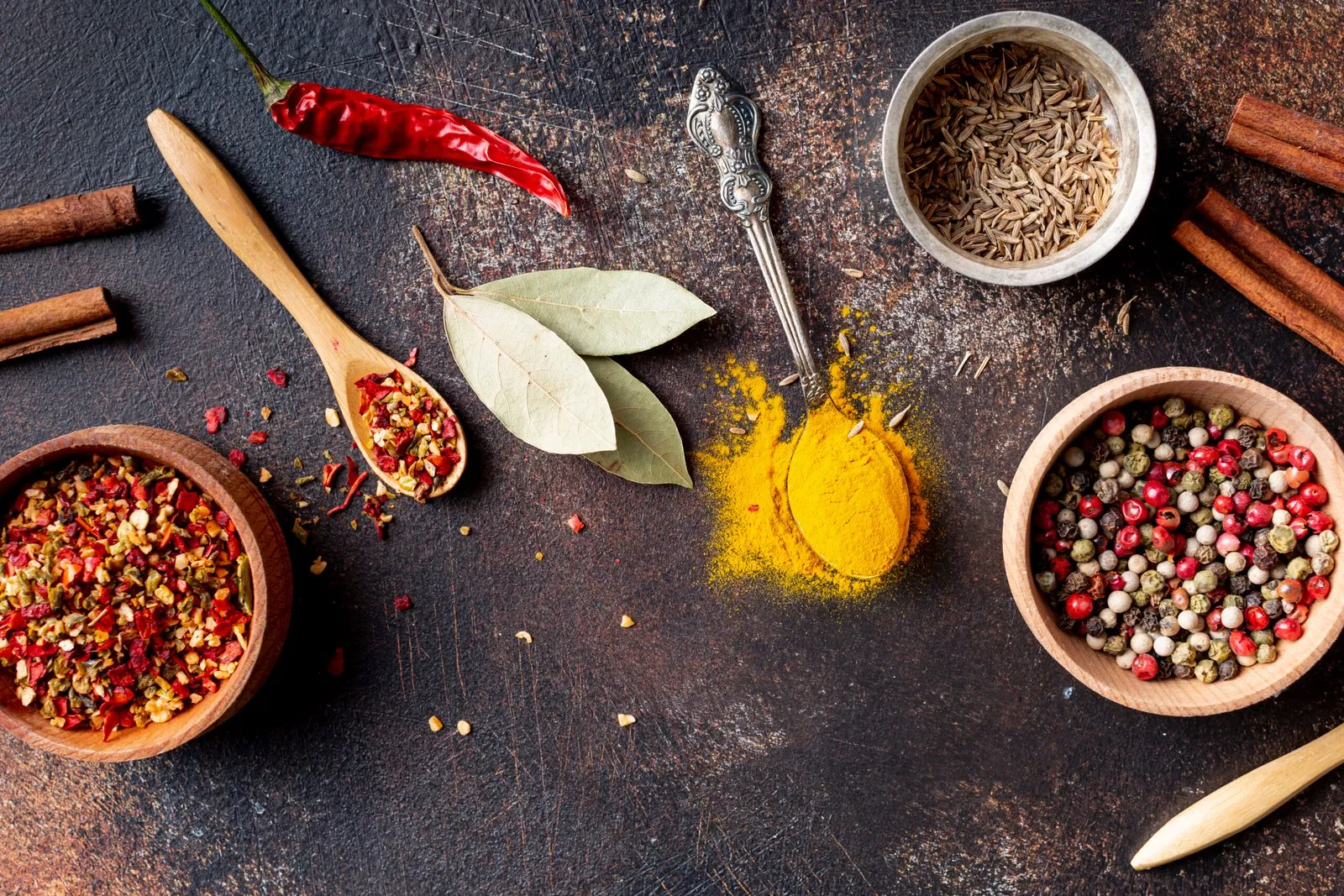
India’s spice trade offers global buyers access to a wide range of whole seeds and ground products, but successful procurement depends on more than finding an available supplier. When international buyers use the search term Cumin seeds manufacturer Gujarat, they are usually looking for dependable access to one of India’s best-known cumin-producing regions along with consistent grading, processing, and export support. For food manufacturers, wholesalers, and private-label brands, the objective is to secure cumin and other spices that meet clear specifications and can be supplied reliably across repeated orders.
Why Origin Matters for Cumin
Cumin is sensitive to factors such as crop conditions, post-harvest handling, cleaning, and storage. These can influence colour, aroma, moisture, and the overall condition of the seed. For commercial users, even small changes may become noticeable after roasting or grinding, particularly when cumin plays a major role in a spice blend.
Buyers should therefore treat origin as one part of the quality picture rather than as a guarantee. A well-defined specification is still necessary. It can cover purity, moisture, admixture, seed appearance, aroma, and any microbiological or residue limits required by the buyer or destination market.
Use the Final Product as the Benchmark
A strong sourcing decision starts with the finished application. Cumin for transparent retail packs may be judged heavily on appearance and uniformity. Cumin destined for grinding may be assessed more closely for aroma, flavour, and consistency after milling.
Instead of approving a sample only by sight, buyers can test it under realistic conditions. Roasting, grinding, or blending the sample into a standard recipe can reveal how it behaves in production. Keeping notes from an approved trial also gives procurement and quality teams a useful benchmark when later shipments arrive.
What Changes With Organic Spice Sourcing?
Companies expanding beyond cumin may also explore the Organic spices India market for broader sourcing opportunities. Organic procurement introduces an additional layer of due diligence because buyers need to understand how the product has been grown, handled, separated, and documented within the relevant certification system.
The word “organic” should never replace a normal quality specification. An organically produced spice can still vary in moisture, aroma, cleanliness, or physical condition. Buyers should therefore evaluate both certification requirements and ordinary product-performance standards.
They should also verify any certification documents required for their specific market rather than assuming that one certificate is accepted everywhere.
Plan Around Crop and Batch Variation
Spices are agricultural products, so some natural variation between harvests is unavoidable. Professional procurement is about managing that variation rather than expecting every lot to look identical.
Buyers can reduce surprises by requesting pre-shipment samples when appropriate, reviewing specifications, and maintaining records from previous deliveries. If a new crop has a different colour or aroma, the key question is whether it remains within agreed limits and performs correctly in the final product.
Open communication about crop availability and lead times also helps buyers plan inventory, particularly when they rely on regular international shipments.
Processing and Packaging Deserve Attention
Cleaning, sorting, grading, and hygienic handling are important steps in preparing whole spices for commercial supply. Buyers should understand which controls are applied before the product is packed and how batches are identified.
Packaging then needs to protect quality during transport. Bag type, liners where required, net weight, labels, and batch codes should be agreed before dispatch. International shipments may pass through ports and warehouses, making moisture protection and suitable storage especially important.
Once the goods arrive, clean and dry storage conditions help preserve aroma and reduce avoidable deterioration.
Think Beyond a Single Purchase
The best supplier evaluation happens over several orders. A strong first sample is useful, but food businesses ultimately need repeatability, clear communication, and dependable delivery.
Procurement teams can track inspection results, production feedback, packaging condition, and delivery performance. If differences appear, documented records make it easier to discuss them objectively. This approach also helps buyers decide when a supplier is ready to support larger volumes or additional spice categories.
Price remains important, but the lowest quotation may not be the best value if inconsistent quality leads to extra testing, sorting, reformulation, or production delays.
Conclusion
Reliable spice sourcing from India combines origin knowledge with practical quality control. Buyers should define how cumin will be used, create measurable standards, test realistic samples, verify organic credentials where relevant, and plan for natural crop variation. Processing, packaging, and repeat-order performance are just as important as the first quotation. When these elements are managed together, food manufacturers and importers can build a more stable supply chain that supports consistent products and long-term purchasing confidence.